Space Planning

Calculating Flooring Materials: A Complete Guide to Waste and Layouts

By Michael Chen, Organization SpecialistJune 9, 202611 min read

Installing new flooring is a significant investment that completely transforms a home. Whether you choose hardwood, laminate, luxury vinyl plank (LVP), or ceramic tile, the key to a successful project is accurate material estimation. Underestimating leads to project delays, extra delivery fees, and the risk of dye-lot mismatch (where tiles or planks from different batches have slight color variations). Overestimating, on the other hand, wastes money on materials that cannot be returned. By understanding how room dimensions, pattern layouts, and waste percentages interact, you can order materials with confidence.

Flooring calculations involve both simple geometry and contractor experience. While calculating the area of a clean rectangle is straightforward, homes are rarely comprised of simple shapes. Hallways, bay windows, closets, and doors complicate layouts, creating extra scrap material during installation. In this guide, we will analyze waste percentage buffers, explore technical installation standards, walk through step-by-step material calculations, and discuss subfloor preparations.

Acclimation Processes for Hardwood Flooring

Acclimation is one of the most critical phases in hardwood floor installation, yet it is frequently rushed. Wood is a hygroscopic material, meaning it behaves like a sponge, expanding in humid weather and shrinking in dry winter air. Before laying solid or engineered hardwood, the boards must sit inside the room where they will be installed for at least 7 days (solid wood) or 3 days (engineered wood). Store the boxes flat, stacked in log-cabin style, with the plastic packaging cut open to allow airflow. The home's heating and cooling systems must run at normal operating temperatures (60°F to 80°F and 30% to 50% relative humidity) for at least 14 days prior to delivery. Installing wood that has not acclimated causes wide gaps in winter or buckle ridges in summer.

Determining Your Waste Percentage Buffer

You cannot order only the exact square footage of your room. Cutting planks to fit corners, doors, and walls results in scrap material that cannot be used. The amount of scrap depends directly on the complexity of your room and the layout pattern you choose:

  • 5% Waste (Simple Grid/Straight Plank): Best for square or rectangular rooms with few doorways and straight horizontal installations.
  • 10% Waste (Diagonal / standard tile): Required for rooms with odd angles, bay windows, doorways, or when tiling in offset brick patterns. This is the industry standard for most residential rooms.
  • 15% Waste (Herringbone / Chevron): Necessary for complex herringbone or chevron layouts. These patterns require many angled cuts at the room borders, creating significant scrap.

NWFA Flooring Installation Standards

The National Wood Flooring Association (NWFA) publishes strict guidelines for timber floor installations. According to NWFA standards, hardwood planks must accustom to the room's temperature and humidity for at least 72 hours before installation. Subfloors must be flat within 3/16 inch over a 10-foot span. Prior to laying planks, you must test the moisture content of the subfloor using a pinless moisture meter. The wood flooring moisture content should be within 4% of the subfloor moisture for strip flooring (under 3 inches wide), and within 2% for plank flooring (3 inches and wider). Ignoring these guidelines causes wood planks to warp, cup, or buckle when humidity levels change.

Selecting Underlayments: Cork, Foam, or Rubber

An often overlooked part of flooring installation is the choice of underlayment. The underlayment sits between your subfloor and the new floorboards, providing thermal insulation, sound dampening, and moisture protection. Standard foam underlayment is budget-friendly and provides basic cushioning, but it can compress over time, leading to joint deflection in laminate floors. Cork underlayment is a premium, eco-friendly option that offers outstanding thermal insulation and acoustic performance, making it ideal for bedrooms and second floors. Rubber underlayment is highly durable and resists moisture, making it suitable for concrete basements and high-traffic spaces. Choosing the appropriate underlayment helps cushion footfalls, reduce noise transmission, and extend the lifespan of your floorboards.

When installing flooring in multi-family apartments, condominiums, or townhouses, building regulations often require a minimum sound-dampening rating. These are evaluated using two metrics: Impact Insulation Class (IIC), which measures sound transmission from footsteps or dropped items, and Sound Transmission Class (STC), which measures airborne noise like voices or music. High-quality cork or acoustic rubber underlayments are certified to provide IIC and STC ratings above 50, which helps isolate noise between floor levels. Additionally, make sure to clean the subfloor thoroughly before rolling out underlayment. Any small pebbles or drywall chips left behind will grind against the floorboards when you walk on them, causing squeaks.

Step-by-Step Flooring Estimation

Follow this contractor formula to calculate your flooring requirements:

  • Step 1: Calculate Base Area: Measure the room length and width in feet. Multiply them together. (e.g. 15 ft × 12 ft = 180 sq ft). If the room is L-shaped, divide it into two rectangles first.
  • Step 2: Add Waste Buffer: Multiply the base area by your waste multiplier. (180 sq ft × 1.10 for 10% waste = 198 sq ft). Use our Flooring Calculator to estimate this instantly.
  • Step 3: Check Box Coverage: Locate the square footage coverage per box on your chosen product. (e.g. 22 sq ft per box).
  • Step 4: Divide and Round Up: Divide total square footage by box coverage. (198 / 22 = 9.0). Round up to the nearest whole box (9 boxes).
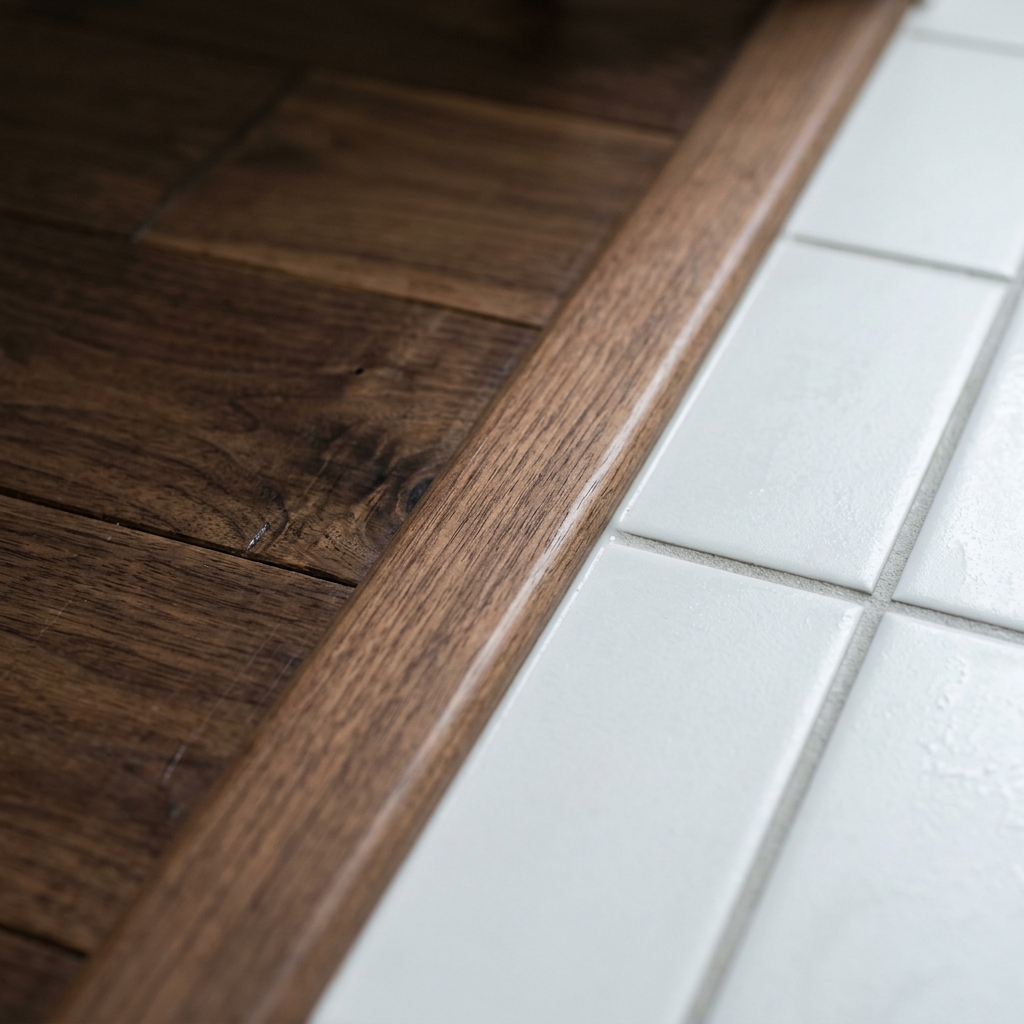
  • Step 5: Account for Transitions: Order coordinating threshold moldings and T-moldings for doorways where different flooring types meet.

Understanding Acclimation and Subfloor Preparation

Acclimation is the process of adjusting the moisture content of the flooring wood to the environment in which it will be installed. Wood is a hygroscopic material, meaning it absorbs and releases moisture depending on surrounding humidity. If wood flooring is installed before it acclimates, it can expand in humid seasons, causing the planks to push against each other and buckle. Conversely, in dry seasons, the wood can shrink, leaving wide gaps between planks. In addition to acclimation, subfloor preparation is critical. Check that your subfloor is dry, clean, and structurally sound. Screw down any loose plywood sheets to eliminate squeaks. For concrete subfloors, install a 6-mil polyethylene vapor barrier to block moisture from rising and damaging your flooring. Proper preparation ensures your new floor remains flat, quiet, and beautiful for decades.

🪵

Need to calculate measurements for your space?

Use our free, interactive Flooring Calculator to calculate dimensions, box requirements, or guidelines automatically.

Calculate Flooring Materials
← Back to all blog posts